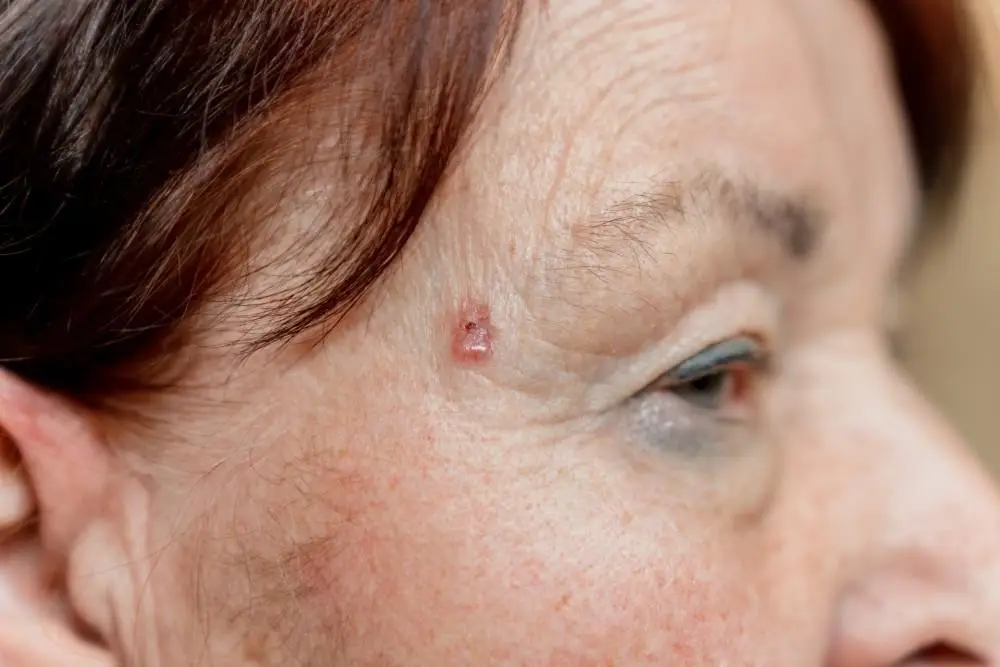
While many people know that any new blemish or one that changes in appearance should be checked by a healthcare professional, not everyone knows what is true and what is false about skin cancer.
One example is the myth that melanoma occurs only in atypical moles when, in fact, it begins on normal skin in about 70% of cases.
Dr. Trevan Fischer, a board-certified surgical oncologist, uses cutting-edge techniques and the latest equipment to treat a wide range of health concerns, including skin cancers such as melanoma, at his private practice in Los Angeles, Fullerton, and Orange, California.
He also works on clinical trials and teaches fellows in surgical oncology at The Angeles Clinic and Research Institute, a Cedars-Sinai affiliate, which allows him to stay up-to-date on the most recent findings in the field.
Melanoma
Melanoma occurs in the cells that produce the dark pigment melanin, which gives the skin its color. It is the deadliest type of skin cancer, but when it is detected early, 99% of people survive for at least five years.
Location
This type of skin cancer often begins in areas that get more exposure to the sun, such as the:
- Face
- Arms
- Legs
- Back
However, it can appear anywhere on the body, including on the soles of the feet or between the toes, on the palms of the hands, and on the genitals. It can also develop in the eye, under a fingernail or toenail, or even inside the body.
Signs
Melanoma grows quickly, which makes early detection even more important. While it can appear as a mole, it often does not. Other red flags include open sores, raised bumps, and scaly patches.
Take note of anything that meets the “ABCDE” test.
This includes a spot where the halves do not match (Asymmetry), jagged edges (Border), or uneven color that may include black, brown, gray, white, or red (Color).
A size bigger than a pencil eraser (Diameter) and a blemish that is new or changing (Evolving) are also indications to get it checked out.
It’s important to note there are exceptions, so even if a spot doesn’t meet the above criteria but is bothersome or different in some way, it’s important to see a doctor.
When it comes to melanoma and other skin cancers, taking steps to protect your skin, such as avoiding tanning beds and lamps and wearing sunscreen and protective clothing, is critical.
So is frequently checking your skin so you’re familiar with what is typical and what should get examined.
Whether you’ve discovered something unusual or have already been diagnosed with melanoma, Dr. Fischer can help. Click to book an appointment or call the office today at 310-807-2688.