Having surgery is stressful. And needing it a second time to fix the same problem that has returned is something you don’t want to go through.
That’s a risk with hernia repair surgery. In fact, about one in six people need the procedure again within 10 years of their original treatment. Fortunately, there are steps you can take to help prevent a recurrence.
At his private practice in Los Angeles, Fullerton, and Orange, California, board-certified surgical oncologist Dr. Trevan Fischer uses the latest techniques and state-of-the-art equipment to treat a variety of conditions, including hernias and multiple types of skin cancer.
Dr. Fischer stays abreast of the latest discoveries in the field by working on clinical trials and trains fellows in surgical oncology at The Angeles Clinic and Research Institute, a Cedars-Sinai affiliate.
Hernias
A hernia occurs when an organ pushes through the muscle or tissue holding it in place. It often happens in the abdomen or groin and appears as a bulge that may come and go depending on the body’s position or what the person is doing.
Aging and wear-and-tear may cause a hernia to develop gradually or it can be caused suddenly from an injury or surgery. In some cases, it can be present at birth.
Some people may experience pressure, a dull ache, or pain, while others might have no symptoms. Hernias usually worsen over time, and most will require surgery at some point to repair.
Tips to avoid recurrence
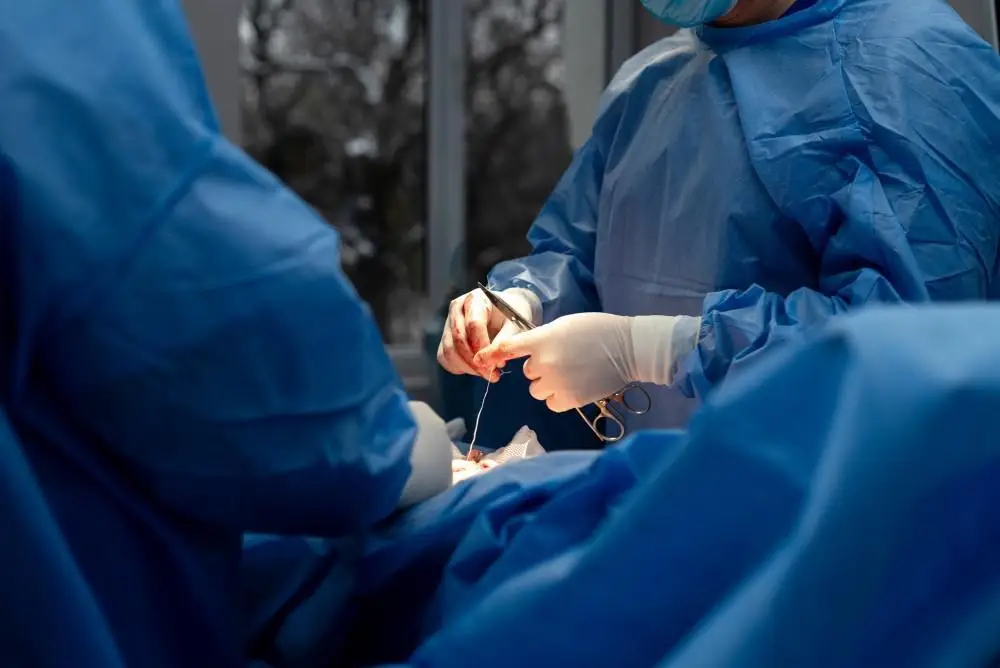
During hernia repair surgery, the tissue is repositioned and then reinforced with a surgical mesh or stitches. Often, this is performed using minimally invasive techniques, resulting in smaller incisions and a faster, easier recovery.
In some cases, the hernia can return anywhere from months to years after the repair. Some ways to try to prevent this recurrence include the following:
Increase core strength
Build abdominal stability through exercise. Depending on the stage of healing and recovery, this could include deep breathing, pelvic floor contractions, core twists, and more.
Always follow the advice of the doctor or physical therapist, especially in the first weeks and early months post-procedure.
Eat a nutritious diet
Constipation increases pressure on the abdomen, so consume a fiber-rich diet including fruits, vegetables, and whole grains. Also, stay hydrated.
Maintain a healthy weight
The extra pounds from being overweight put additional stress on the wall of the abdomen and increase the risk of a hernia recurrence.
Treat allergies or health issues
Another reason for a hernia returning is frequent coughing. If this is an issue, get treatment for allergies or the health condition causing it. Quitting smoking can also decrease coughing.
Lift carefully
Use proper form when lifting heavy objects and always bend from the knees. Use a cart or dolly if possible.
If you’ve been diagnosed with a hernia and need repair surgery, Dr. Fischer can perform the procedure as well as advise about what to expect during recovery and ways to prevent a recurrence. Click to book an appointment or call the office today at 310-807-2688.