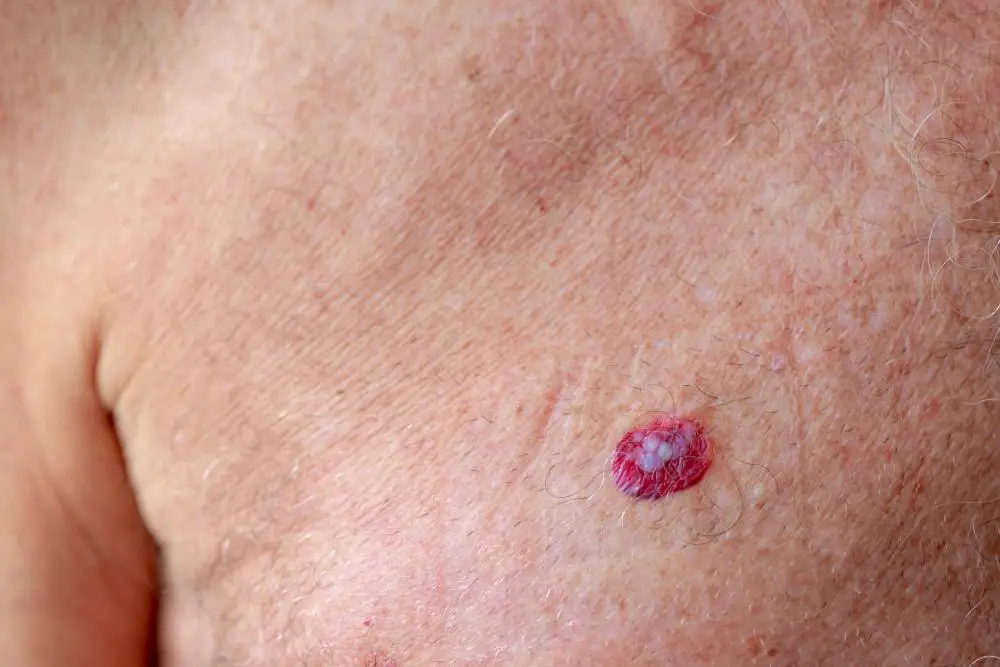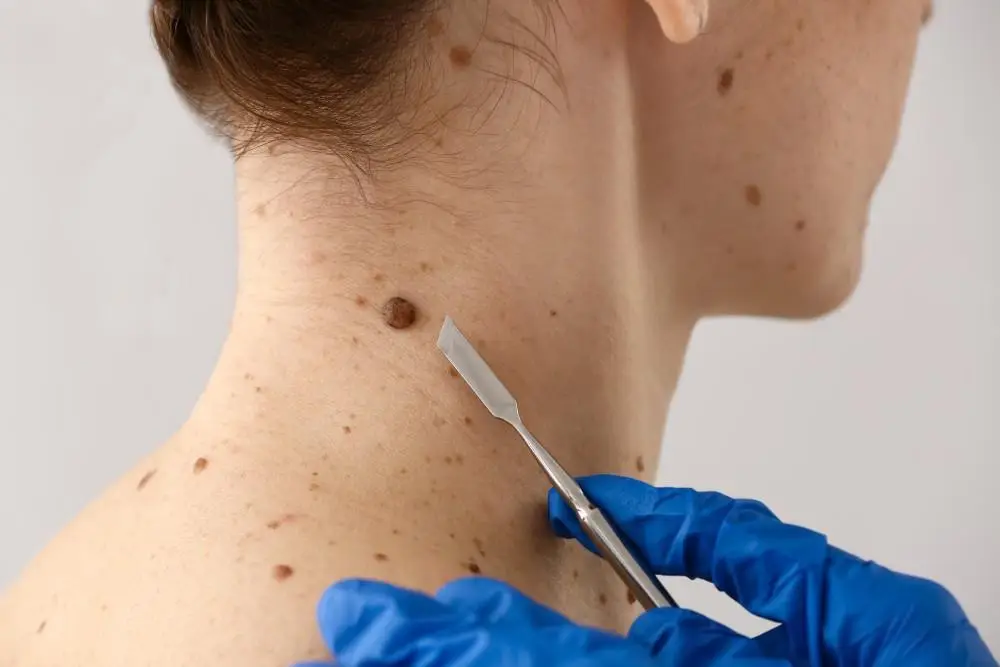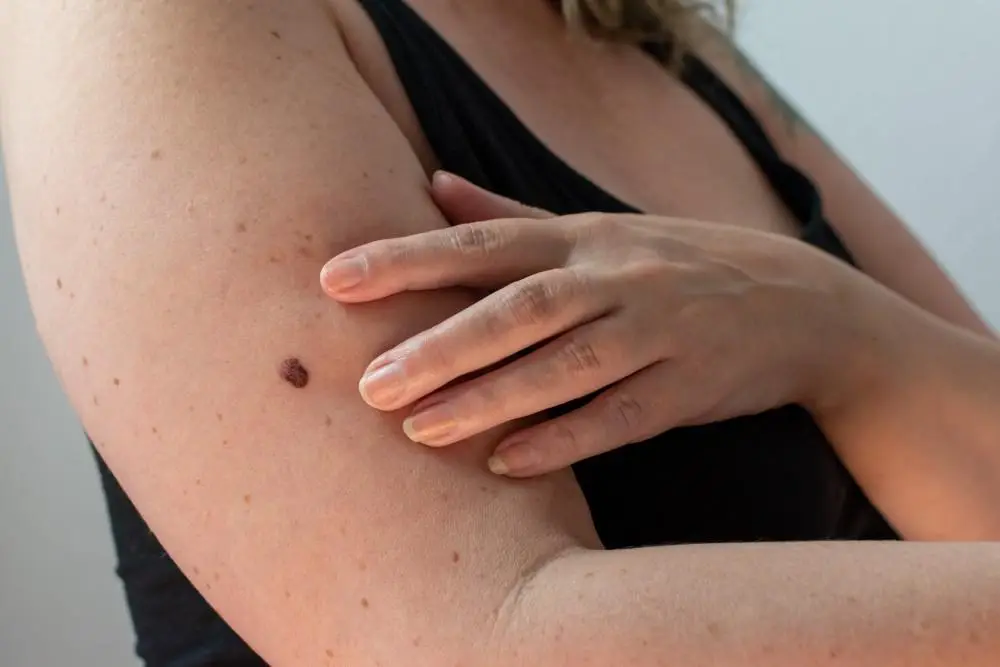
For some people, their risk of melanoma, the deadliest type of skin cancer, is increased by genetics. Read on to learn more about the role inherited genetic changes can play.
While you can live without a gallbladder, your body must undergo an adjustment period as it adapts to a new digestive process. Eating the right foods can help make recovery as smooth as possible.
The "-oma" ending of carcinoma and sarcoma may make these conditions sound almost the same. However, they are completely different types of cancer. Read on to learn more about their similarities and differences.
No surgery is exactly the same for everyone, including procedures to fix a hernia. Everything from the hernia type and size to an individual's health status can impact the choice of procedure and recovery process.
Recovering from skin cancer surgery should be a time to slow down and heal, yet the holidays are often chaotic. Read on for tips on how to navigate the recovery period despite the busyness of the season.
Getting a diagnosis of a skin cancer recurrence can be scary. Fortunately, you have multiple surgical options available for treatment. Read on to learn why basal cell carcinoma might return and ways it can be addressed.
Skin cancer doesn't just occur on your face and arms. It can develop on your lip, too. Read on to learn what symptoms to watch out for and why this particular type of cancer can be challenging to treat.
Melanoma is the most dangerous type of cancer because it spreads quickly. However, when caught early enough, it can be removed with a procedure known as wide local excision. Read on to learn about this treatment and what is involved.
The good news is Merkel cell carcinoma is relatively rare. The bad news is it's aggressive and can spread quickly. Read on to learn more about this skin cancer, including the role the immune system plays in its development and treatment.
Squamous cell carcinoma can strike areas exposed to the sun and locations that do not receive harmful ultraviolet radiation. Read on to learn what to look for and where this second most common type of skin cancer may appear.
Melanoma is not only the most deadly type of skin cancer, but many cases form in moles, which makes them even more challenging to detect. Read on to learn what to look for when examining your skin.
With 20% of Americans getting diagnosed with skin cancer by the time they are 70 years old, it's natural to be concerned. Conducting monthly skin checks can help spot issues early.
While skin cancer is the most common type of cancer, that doesn't mean getting it is inevitable. Read on to learn four steps to take to protect yourself and your loved ones.
Soft tissue sarcoma can appear as a lump in one of the extremities or grow inside the body. Read on to learn more about the symptoms to watch for and treatment options.
Melanoma is not the most common type of skin cancer, but it’s the most deadly. The good news is that treatment options are available even if it has spread. Read on to learn more.
Melanoma is the deadliest type of skin cancer because it grows quickly. Fortunately, specialized procedures like a sentinel lymph node biopsy can provide additional information about whether it has spread. Read on to learn more.
Having a relative diagnosed with skin cancer like melanoma can naturally be concerning. Read on to learn more about how that affects your risk and the steps you can take to protect yourself.
Multiple conditions, including cancer, can cause red, scaly patches on the skin. Read on to learn more about the possible causes and what you need to know.
While not all new moles that appear in adulthood are cancerous, it is still important to get them checked by a medical professional. Read on to learn more.
Merkel cell carcinoma is the second deadliest type of skin cancer because it grows and spreads quickly and often returns after treatment. Read on to learn its symptoms, risk factors, and more.
Not all breast lumps are cancer. In fact, most are benign and include diagnoses such as fibroadenomas. Read on to learn what these masses are and how they are treated.
Melanoma is the most serious type of skin cancer. However, it can be removed by wide local excision. This minor surgery can often provide a cure when the cancer is found early. Read on to learn more.
Minimally invasive surgery uses smaller incisions along with a tiny camera and tools. Read on to learn more about the procedure and its benefits, including less pain, minimal scarring, and a faster recovery.
Gallbladder removal is a common surgical procedure after developing gallstones. Read on to learn about gallbladder surgery and why this is often the treatment of choice.
Detecting skin cancer early is critical to the best possible outcome. Read on to learn about the different types and their symptoms, as well as the treatments.
Melanoma is a serious skin cancer that can spread to other areas of the body and affect all ages. In fact, those under age 40 are seeing an increase in diagnosis. Read on to learn the signs to watch for.
Squamous cell carcinoma often appears on areas of the body exposed to harmful radiation from the sun (or tanning beds). Read on to learn more about its signs and symptoms, as well as tips to decrease your risk.
Our stool offers important insights into our health and can alert you to everything from an infection to internal bleeding. Read on to learn more about what your stool can tell you about your health.
Breast cysts are common and, in most cases, are harmless. However, certain types can be cancer, so it is essential to get them examined by a medical professional. Read on to learn more.
Sentinel lymph node biopsy is performed following diagnosis of certain cancers to determine if it has spread. Read on to learn more about what to expect during recovery.
Minimally invasive surgery provides many benefits, including less pain and scarring and faster recovery. Read on to learn more about this procedure and why it's often a good choice.
Skin cancer will strike more than 20% of Americans by the time they are 70 years old. Fortunately, there are steps you can take to reduce your risk. Read on to learn more.
Minimally invasive surgery to remove the gallbladder is often the best option. Read on to learn more about this procedure and its benefits, including smaller incisions and faster healing time.
In addition to avoiding the sun's damaging ultraviolet rays, supplementation with the B3 vitamin nicotinamide may help reduce the risk of certain types of skin cancer. Read on to learn more.
Ultraviolet radiation from the sun and tanning beds is the main cause of skin cancer. Read on to learn more about why protection from the sun and avoidance of indoor tanning is so essential.
A nutritious diet can aid in keeping your skin moisturized, reducing acne and fine lines. It can even lessen the sun's damaging impact. Read on to learn more about what foods can help.
Several factors can increase your chances of skin cancer. Read on to learn the risk factors and, in some cases, how you can modify your behavior to reduce your risk.
While everyone is at risk of developing skin cancer, the good news is there are steps you can take to decrease your chances. Read on to learn more about what you can do to prevent skin cancer.
Exposure to ultraviolet radiation through the sun and tanning beds can cause sunburns and risks to your health. Read on to learn more about the dangerous effects and myths associated with tanning.
Skin cancer will strike about 20% of people in the United States by the time they turn 70. Conducting a monthly skin self-exam is an essential step toward early diagnosis and treatment. Read on to learn more.
Any amount of exposure to the sun and its ultraviolet radiation can cause damage to the skin, including skin cancer. However, for those who still want to tan, there are tips on how to do it as safely as possible. Read on to learn more.
Skin cancer is common. However, most people don’t realize how many people it affects. Read on to learn more about the lesser-known facts regarding skin cancer.
Treatment for squamous cell skin cancer works best results when caught early. Watch out for any unusual marks on your skin, including red patches, nodules, or sores. Read on to learn more, including where this skin cancer most often appears.
Melanoma is the most dangerous type of skin cancer, but when it is caught early, the survival rate is greatly improved. Read on to learn more about its signs and why thinking "ABCDE" may help you detect it at an earlier stage.
There are three main types of cells in the outer layer of skin — squamous cells, basal cells, and melanocytes — and each can lead to the development of skin cancer. Read on to learn more about these cells and symptoms you should watch out for.
Nobody wants to hear that they have melanoma. But when caught early, melanoma can be treated and even cured in many cases. Read on to learn about the signs to look out for, how a diagnosis is made, and more.
UV rays that put you at risk of skin cancer can cause damage at any time of the year, including during the winter months. Read on to learn why this seemingly harmless season can still be dangerous to your skin.
Soft tissue sarcomas typically develop in the arms, legs, chest, or abdomen. Treatment often requires surgical removal along with chemotherapy or radiation. Read on to learn the signs to watch out for and who could be at risk.
Fibroadenomas are non-cancerous lumps in the breast that frequently occur in women between the ages of 15 and 35. They are benign but getting a proper diagnosis is important to rule out cancer. Read on to learn more.
Moles may be an unwelcome blemish on the skin, but they can also cause a more serious issue — melanoma. Read on to learn the warning signs of this serious type of cancer and when you should be concerned.
You know that the sun can cause uncomfortable sunburns. But did you know that its rays can also result in a prematurely aged appearance and skin cancer? Read on to learn more about its dangers and ways to protect yourself.
People tend believe that skin cancer won’t happen to them. But several factors, including exposure to UV radiation and genetics, can increase the risk of developing it. Read on to learn more.
Did you know that there are multiple types of skin cancer? Skin cancer is classified into specific types defined by the location where it is detected. Read on to learn about the different kinds and their symptoms.
While melanoma is a serious type of skin cancer, there are a number of treatment options available, including surgery, immunotherapy, and targeted therapy as well as less commonly used radiation and chemotherapy. Read on to learn more!
Because melanoma can spread quickly, it’s important to get a prompt diagnosis and treatment plan in place. Care options vary depending on the cancer’s stage, but immunotherapy may be one option to consider. Read on to learn more.
Soft tissue sarcoma can be classified into over 80 subtypes and found throughout the body. Read on to learn more about this relatively rare type of cancer that affects both adults and children.
Gallbladder disease is caused by a number of different health issues. Getting a proper diagnosis and treatment plan are key to preventing possibly serious complications. Read on to learn more.
A lump in the breast can signify anything from cancer to benign breast disease. While only a doctor can make a professional diagnosis, there are signs of this non-cancerous health issue you can look for. Read on to learn more.
Skin cancer strikes almost 10,000 people each day in the United States, but there are things you can do to protect your skin. Read on to learn four lifestyle habits you can practice to help prevent skin cancer.
Soft tissue sarcomas are not as well-known as other kinds of cancer but they can be serious. Seeking a timely diagnosis and treatment plan are important steps in getting the best possible outcome. Read on to learn more.
Skin checks are an important tool to help catch skin cancer early, when it’s most treatable. Read on to learn more about skin cancer and its risks, as well as what experts say on how often an exam is recommended.
Skin imperfections are common, but if you have a lump that is red or blue and growing rapidly, it's important to get it examined to rule out Merkel cell carcinoma, an aggressive type of skin cancer. Read on to learn more.
Finding a suitable doctor under normal circumstances can be challenging enough, but it’s even more important when you need cancer surgery. Read on to learn what questions to ask, including education, certifications, and experience.
Discovering a lump in your breast can be scary. Fortunately, there are a number of other noncancerous causes — many of which don’t even require treatment. Read on to learn more about benign breast diseases.
Exposure to the sun can sometimes result in skin cancer — even when you're careful and wear sunscreen. Read on to learn more about the symptoms to look out for.
We all love the sun and the outdoor activities that go along with it. The good news is there are ways to have fun while protecting your skin from the sun's damaging ultraviolet rays. Read on to learn more.
Most moles are nothing more than a harmless dark spot on our skin. In some cases, however, they can undergo a change that results in a type of skin cancer known as melanoma. Read on to learn the signs to watch for.
It's only natural to think cancer if you've found a lump in your breast, but there are many other benign issues it could be, including a fibroadenoma. Read on to learn more about how these lumps form.
Skin cancer strikes people everywhere, but those living in sunny Southern California are especially at risk. Learn the steps you can take to protect yourself.
Soft tissue sarcoma is an uncommon type of cancer that can be difficult to spot. Growing on connective tissues, they can become life-threatening if not properly treated. Learn how to recognize the signs of this disease and how it’s treated.
Breast cancer can’t be prevented, but there are ways to reduce your chances of getting it. It starts with understanding your risk of breast cancer, and the ways you may be able to prevent the disease from progressing.
Did you know that the first five letters of the alphabet hold clues for identifying melanoma? You can help protect against this type of skin cancer by doing a regular “ABCDE” check on yourself and loved ones.